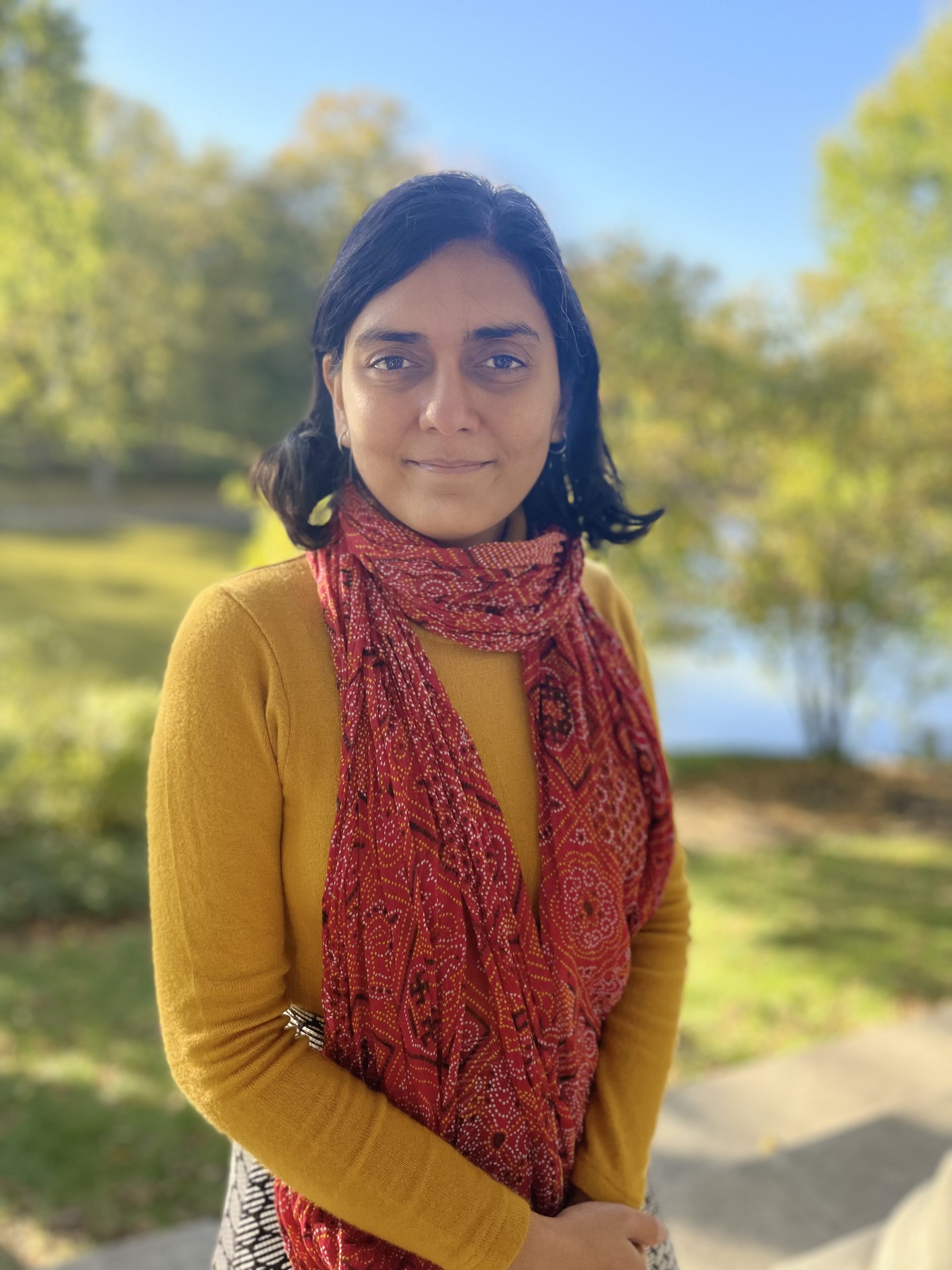
Deeptha Vasudevan

Developmental neurobiologist at the University of Chicago

I am a Gordon and Betty Moore Foundation Postdoctoral Fellow in the Heckscher Lab.

I investigate

  • How stem cells generate regionally specialized motor circuits

  • How these circuits regenerate after injury

My long-term goal is to identify the cellular and molecular mechanisms of regional specialization in both development and regeneration

Publications:

Postdoctoral scholar in the Heckscher lab

I investigate how distinct sensorimotor circuits develop from repetitive pools of stem cells using the Drosophila nerve cord (spinal cord analog) as a model.

My work showed that multiple cell biological mechanisms acting both in stem cells and neurons, specialize circuits according to their specific location along the body axis. To study location-specific differences in neural activity, I developed a calcium imaging approach.

Together, these discoveries highlight the cellular diversity of nerve cord circuits in a manner that was previously unknown.

Publications:

(* denotes equal contribution)

Ph.D. candidate in the Dorsky lab

I studied neuronal regeneration following spinal cord injury in larval zebrafish.
Although zebrafish show robust recovery of swimming due to axon regrowth and regenerative neurogenesis after spinal cord injury, the function of regenerated neurons were unclear.

My work showed that specific subtypes of spinal interneurons regenerate and reintegrate into circuits to restore swimming. Additionally, I used transcriptomic analysis to identify novel Wnt signaling targets. Collectively, these studies uncovered both the cellular and molecular mechanisms that support functional regeneration.

Research trainee in the Krichevsky lab

I was one of six students selected from over 300 applicants in my undergraduate university in India to train in the Krichevsky lab at Brigham and Women’s Hospital at Harvard Medical School.

In the Krichevsky lab, I investigated how a specific microRNA influences glioblastoma progression in mice.

Publications: 

Research technician in the Das lab

I studied the Hepatitis C virus, which causes liver infections. In a cell culture model, we described the role of HuR, an RNA-binding protein expressed in host cells, which is hijacked by the virus to aid viral replication.

This work unravels the complex interactions between viral RNA and cellular host proteins that can be targeted for therapeutic interventions.